

5 Ways Shared Reading Helps Children Thrive

October 1, 2026

Share this article

Shared reading with children is the practice of reading a book together while talking, listening, and responding to the story. It supports language development, strengthens family connection, encourages imagination, and helps children build positive associations with books—whether you have five minutes before bed or a longer afternoon to share.

Parent and child enjoying a story together

Why is shared reading important for children?

Shared reading gives children more than exposure to words on a page. It creates a relaxed setting where they can ask questions, hear expressive language, and connect ideas to their own lives. The experience also tells children that books are valuable—and that their thoughts are worth hearing.

Key benefits include:

  • Stronger vocabulary and listening skills
  • More confidence discussing ideas and feelings
  • Improved attention and story comprehension
  • Greater imagination and creative thinking
  • A closer connection between children and caregivers

5 ways reading together supports development

1. It builds language naturally

Children learn new words in context when adults pause to explain, repeat, or connect unfamiliar terms to everyday experiences. There is no need to turn story time into a lesson; conversation makes learning feel natural.

2. It encourages emotional understanding

Stories help children explore kindness, frustration, bravery, friendship, and change from a safe distance. Ask, “How do you think the character feels?” or “What would you do?” to invite thoughtful discussion.

3. It makes books personally meaningful

A favorite story can become part of a child’s routines, memories, and imaginative play. Repetition is useful: children often request the same book because familiar stories provide comfort and help them notice new details.

4. It strengthens attention and comprehension

Predicting what happens next, describing pictures, and retelling events help children follow a beginning, middle, and end. These simple exchanges build skills that support future independent reading.

5. It creates a lasting reading habit

When books are associated with warmth and connection, children are more likely to choose reading later. Explore more thoughts about children’s literature on the Luna & Pompon blog .

Colorful children's books arranged beside a soft reading nook

How can you make story time more engaging?

You do not need special materials or a perfect schedule. Try these practical habits:

  1. Let the child help choose the book.
  2. Look at the cover and predict what the story might be about.
  3. Pause occasionally for questions, comments, or laughter.
  4. Point to interesting pictures and connect them to real life.
  5. Follow the child’s energy; stopping while the experience is still enjoyable is fine.

A simple routine for busy families

Choose one reliable moment, such as after breakfast, before a nap, or at bedtime. Even one short book can become a meaningful ritual. Keep a small selection within reach so children can browse and return to familiar favorites independently.

If you are discovering Luna & Pompon for the first time, learn more about the stories and their inspiration , or contact us with questions.

The takeaway

Shared reading with children works because it combines learning with connection. Through regular stories, children hear richer language, explore emotions, practice understanding, and discover that books can be comforting companions. Start with a story your child already loves, read at a relaxed pace, and invite conversation without pressure. The goal is not to finish a certain number of pages; it is to make reading feel welcoming and worth returning to. Choose one small reading moment today, then let the habit grow naturally.

Recent Posts

Creative writing prompts in an open notebook
October 1, 2026
Discover 25 creative writing prompts for stories, poems, characters, and daily practice. Use these practical ideas to overcome writer’s block and write with confidence.
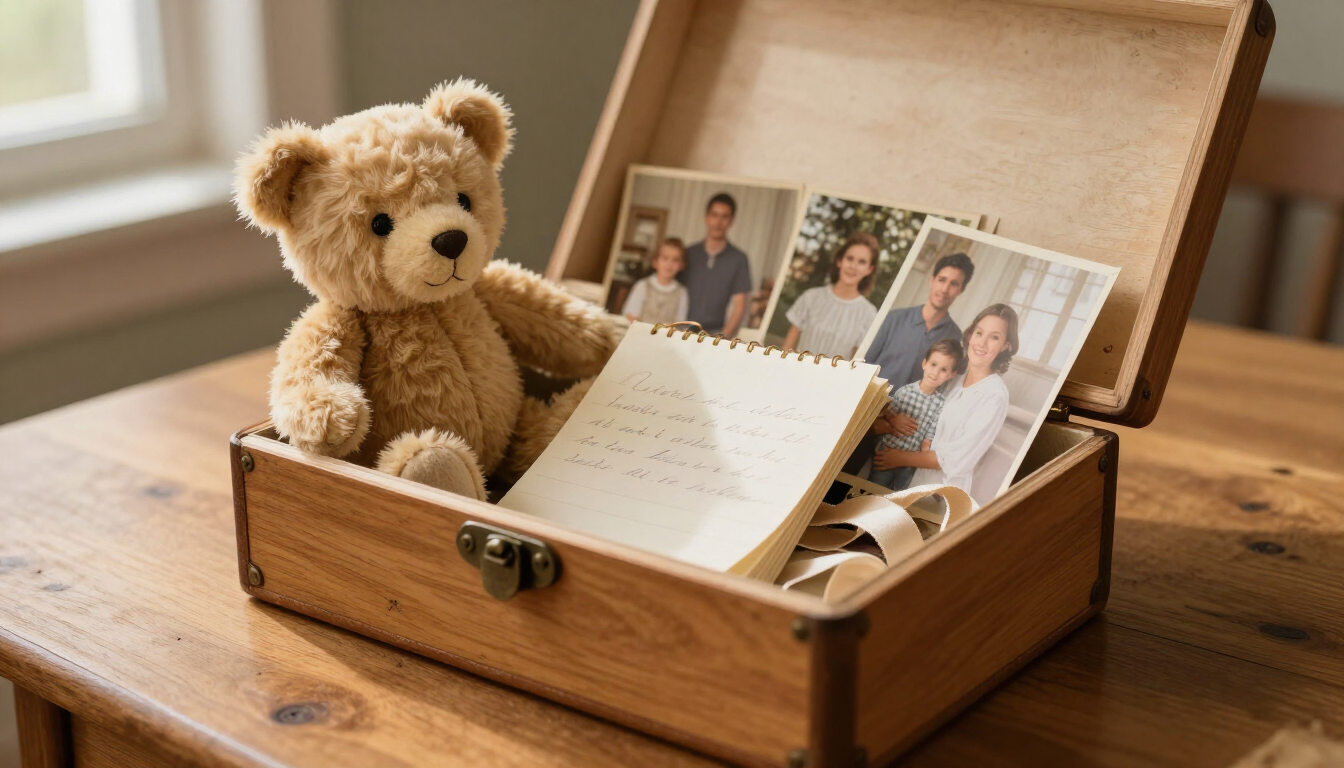
Childhood memories preserved in a keepsake box
October 1, 2026
Discover five heartfelt ways to preserve childhood memories through family traditions, treasured toys, stories, photos, and everyday moments.